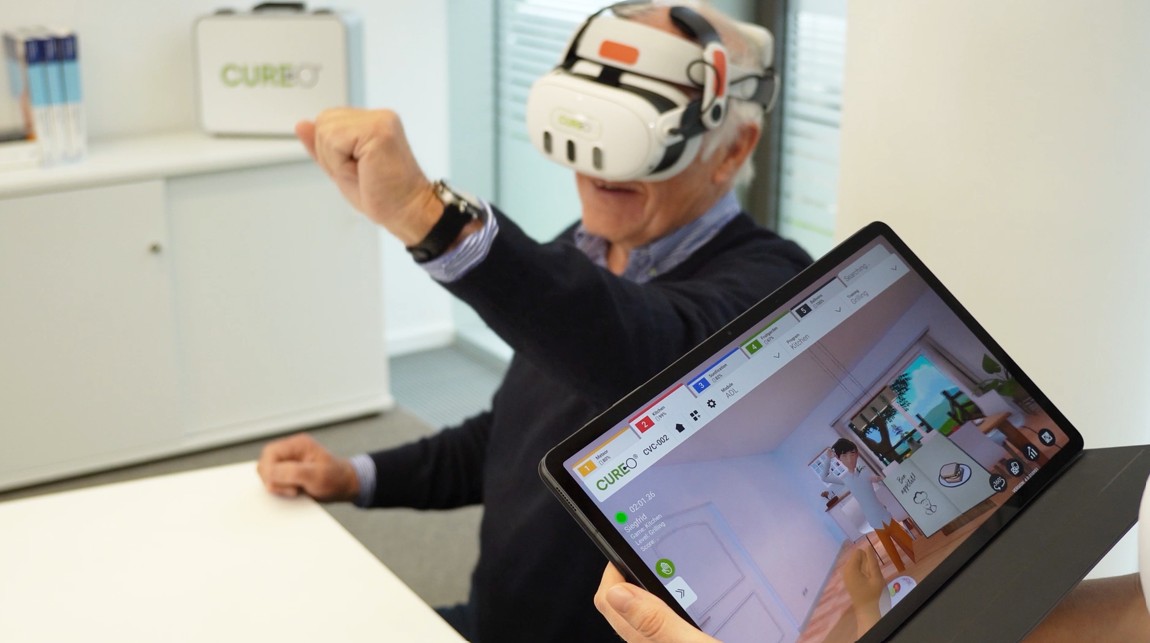
Innovative therapeutic approaches play an important role at Michels Kliniken. These are grounded in established, evidence-based therapies.At the same time, the clinics aim to provide their patients with access tomodern therapeutic options that can be meaningfully integrated into theirexisting daily treatment routines.
With CUREO, the Michels Kliniken have implemented thisapproach across all their locations. Following a successful pilot phase, thevirtual reality therapy system has been in use at all locations for about ayear and is being applied in neurology, geriatrics, and orthopedics, among otherfields.
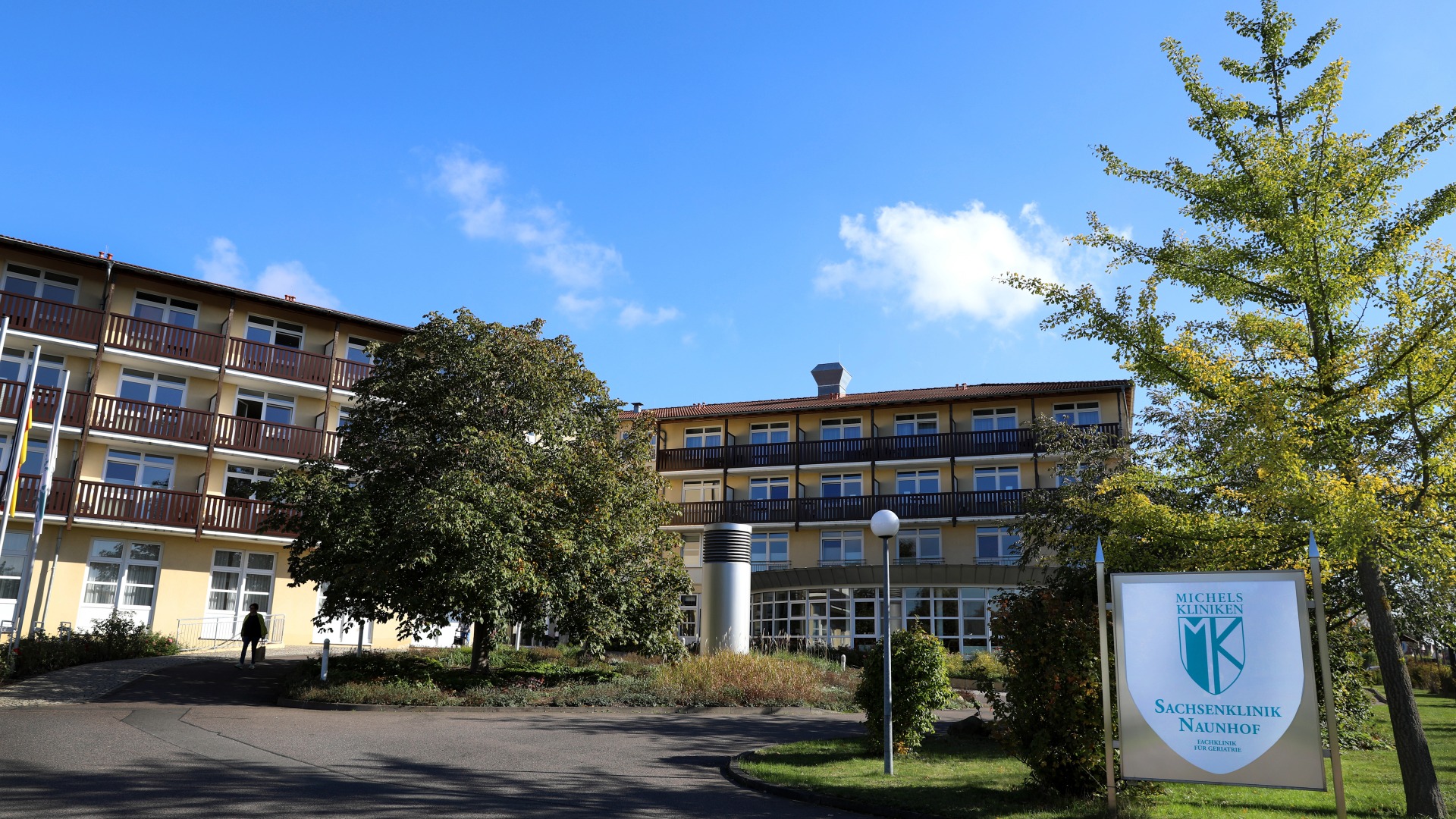
CUREO’s flexibility is particularly important in geriatrics. Dr. Erik Brückner, ChiefMedical Officer at Sachsenklinik Naunhof, shares his experiences treatingpatients with multiple chronic conditions.
Because CUREO is portable, it can be brought directly to the patient’s bedside, allowing the system to be used even with patients who have limited mobility. Dr. Brückner also notes that, for this patient group, CUREO is more accessiblethan tablet- or smartphone-based technologies. In particular, he points to theplayful approach and the enjoyment of therapy as key factors for motivation.
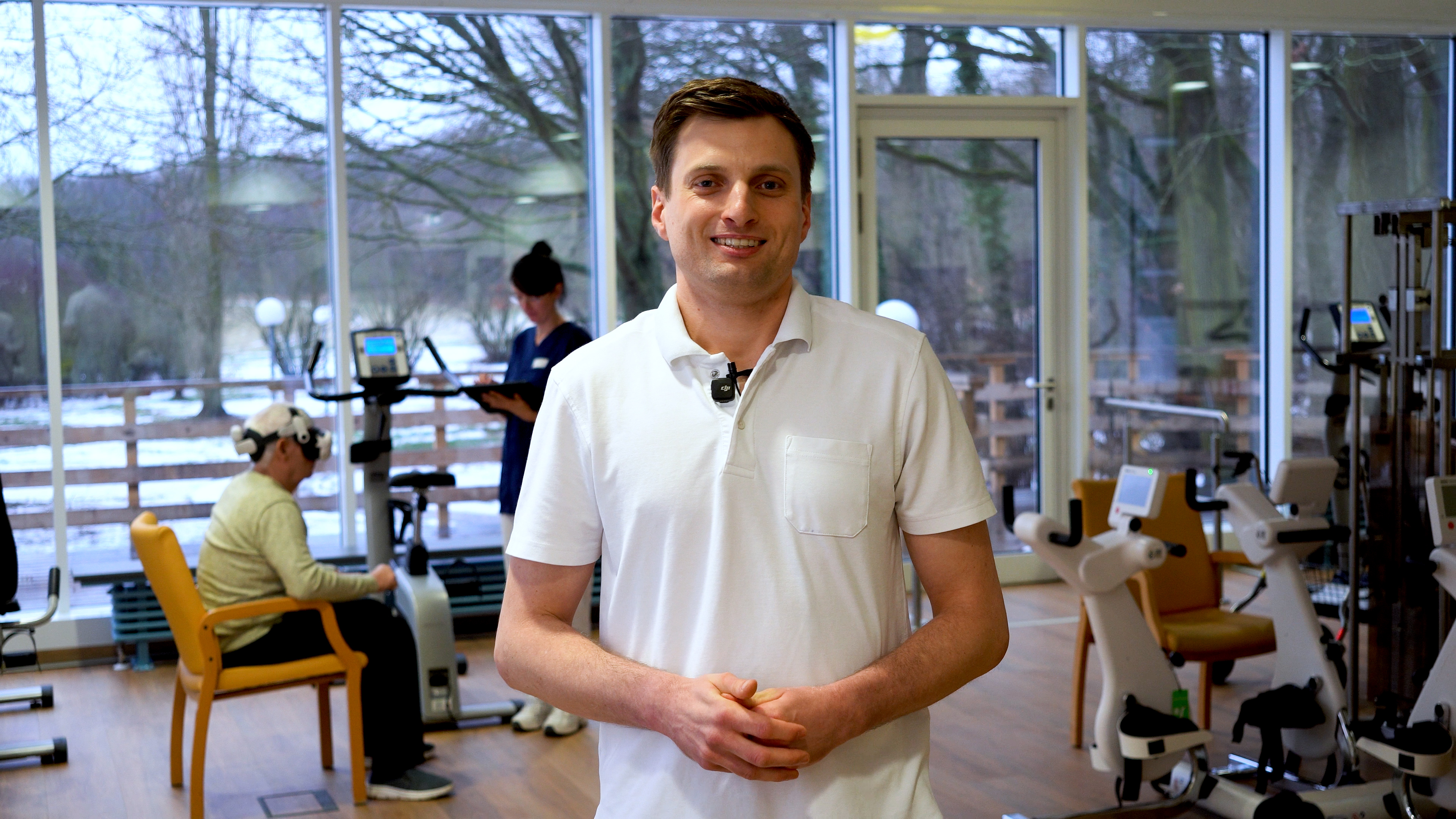
CUREO is also used in orthopedic rehabilitation across a wide range of age groups. Dr. Christian Gregor, Head of the Orthopedic Department at the Michels Ambulanten Therapiezentrum Leipzig, shares his experience using CUREO with patients recovering from spinal and shoulder surgery.
During training, the virtual environment can redirect patients’ attention in new ways. Dr. Gregor has observed that patients sometimes venture into ranges of motion they would otherwise find difficult, especially soon after surgery. At the same time, motivation plays an important role: patients enjoy coming back, and some even ask for additional therapy sessions.

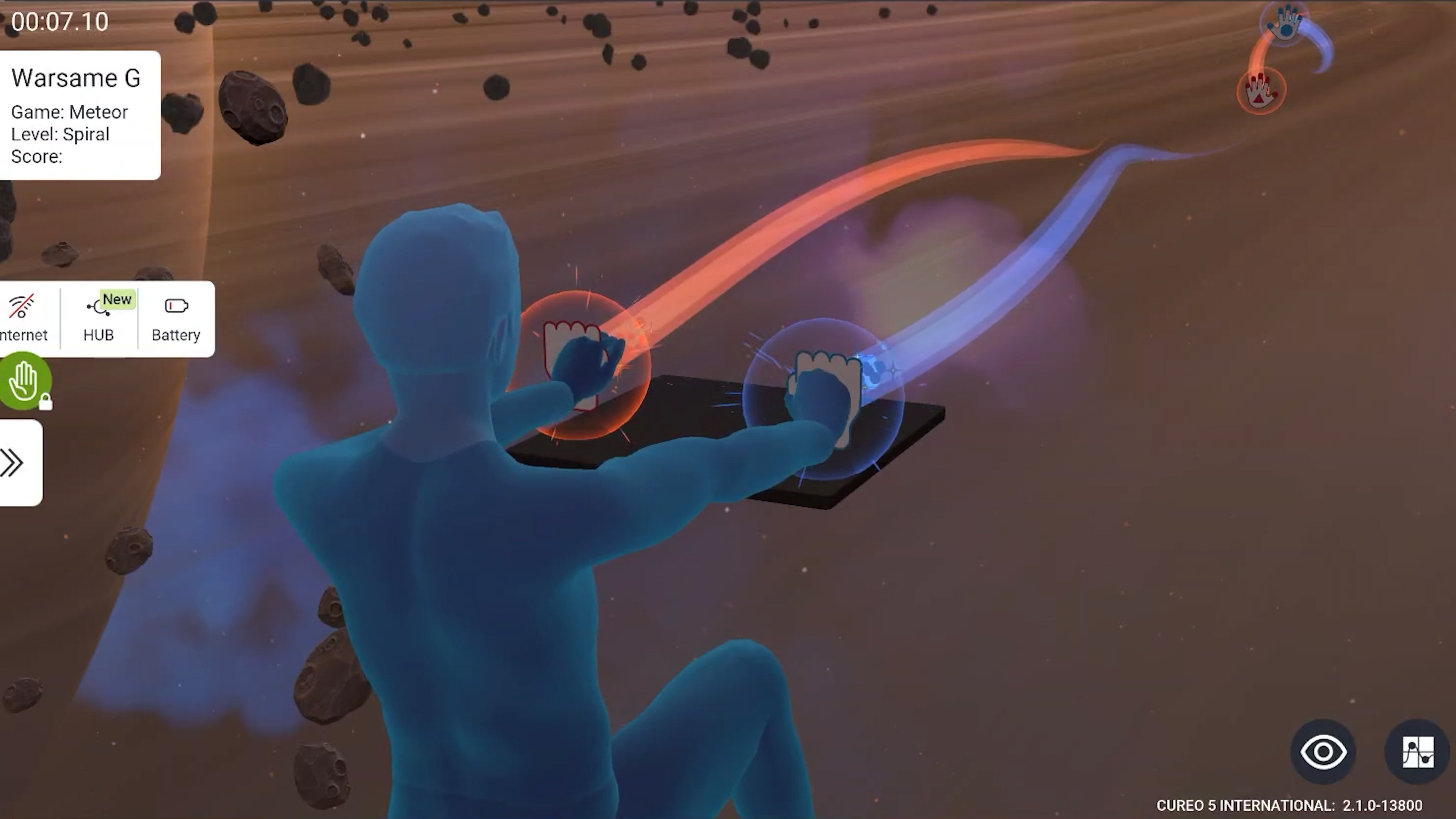
The experience of a patient recovering from a shoulder injury illustrates exactly what this motivation feels like. He describes how CUREO supports him with movements relevant to his everyday life.
He finds the playful approach particularly motivating. In the CUREO “Meteor” training, he pursues a very personal goal: to beat his previous high score during his next training session. His experience shows how a therapeutic exercise can become a personal incentive without the actual training goal taking a back seat.
In addition to the patient experience, the perspective of the therapeutic team also plays an important role. Christiane Brendel, lead occupational therapist at the Michels Kliniken in Sachsen, shows how CUREO fits into existing workflows.
With the CUREO Therapy Navigator, therapists can select therapy goals, draw on relevant therapy suggestions, and create individualized therapy plans. Based on the team’s experience, this facilitates therapy preparation and can reduce setup time.
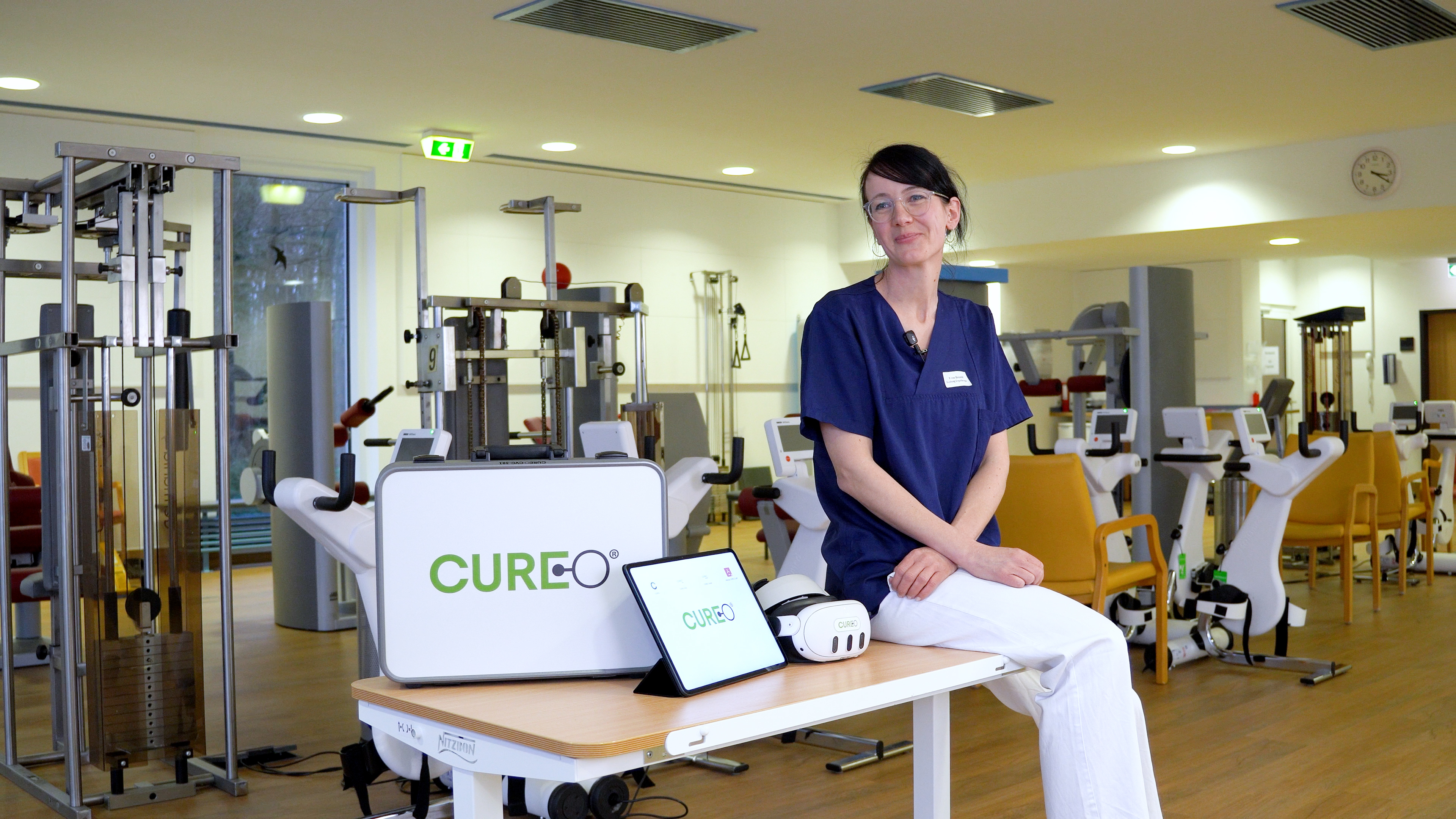
The experiences at the Michels Kliniken demonstrate just howversatile CUREO can be in rehabilitation. The focus is not only on different specialties and patient groups, but also on the people who work with the system and train with it every day.
The information presented in this article is based oncurrent scientific research and empirical data from the use of the CUREO systemas part of medically prescribed rehabilitation programs. The success andeffectiveness of individual therapy cannot be guaranteed. This article is not asubstitute for personal consultation with medical and therapeuticprofessionals.